Social media has become one of the most powerful tools for salons and spas, offering a direct way to showcase expertise, highlight transformations, and build community. Platforms like TikTok and Instagram make it easy to share tutorials, treatment demos, and before-and-after results.
However, with increased visibility comes a growing set of risks that many salon and spa owners underestimate. In an industry built on trust and personal care, even well-intentioned content can lead to real consequences if not handled thoughtfully.
Privacy, Misrepresentation, and Content Ownership
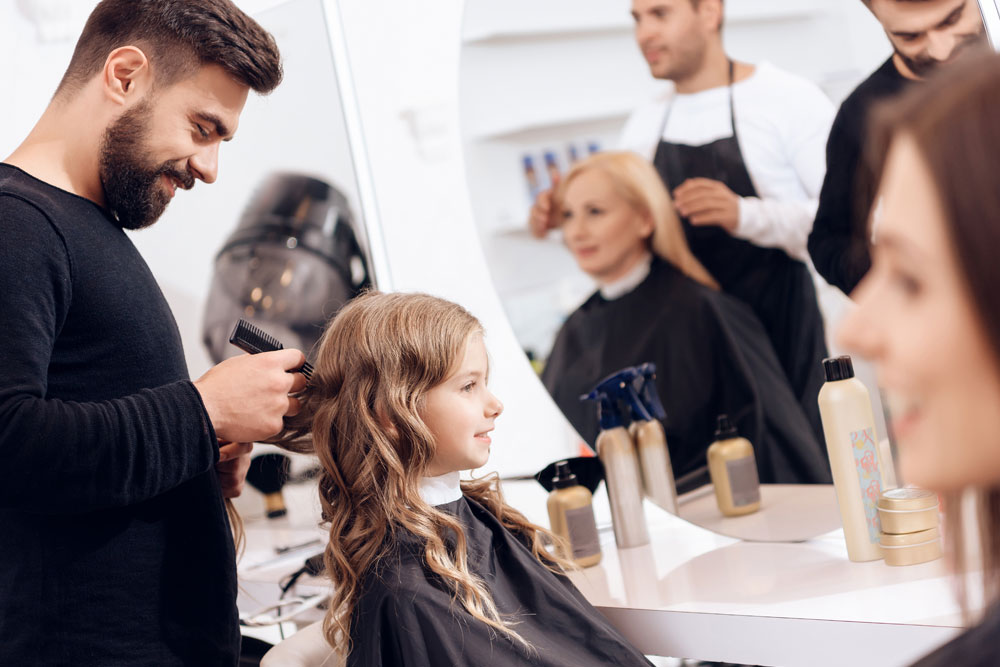
Client privacy is one of the most significant vulnerabilities for salon and spa owners. Every photo, video, or post features a real person who may have expectations around confidentiality. Even enthusiastic clients may prefer not to have their image or treatment details shared publicly. Privacy issues often happen unintentionally, such as when another client appears in the background or a conversation is captured on video.
Misrepresentation is another common challenge. Filters, editing tools, and overly optimistic claims can make results appear more dramatic than they truly are. Exaggerating benefits or implying guaranteed outcomes can erode trust and may attract attention from state licensing boards or advertising regulators.
Content ownership adds further complexity. Using copyrighted music, reposting images without permission, or sharing branded product photos without the proper rights can lead to takedowns, fines or legal action. Employee-generated content can also create issues if staff post client photos without consent or take content with them when leaving the business. These situations can quickly escalate into brand-reputation problems.
Public Feedback, Influencer Compliance, and Cybersecurity
Negative reviews and public complaints carry more weight than ever. How a business responds can either reinforce professionalism or make the issue worse. Influencer partnerships and gifted products require proper disclosure to comply with advertising guidelines, making transparency essential.
Cybersecurity threats are increasing across the beauty and wellness industry. Hacked accounts, impersonation, and fake promotions can damage credibility, result in lost bookings, and put clients’ information at risk. As social media becomes more integrated into daily operations, digital security must be a core part of your strategy.
Protect Your Spa Online
Professional liability insurance helps protect your business against misleading claims related to potential social media risks. Cyber liability insurance covers risks such as hacked accounts, stolen client data, or digital impersonation. General liability insurance may assist if a client alleges emotional distress or physical harm related to social media content. Media liability coverage can protect your business if a post is challenged for copyright infringement or sharing content without proper consent.
With thoughtful policies, clear consent procedures, and the right insurance protections in place, salon and spa owners can confidently use social media while safeguarding their business and clients.
Kathy Lopez, Account Manager for SASSI, the Salon and Spa Specialty Insurance program at Brownyard Group. She can be reached at klopez@brownyard.com.