Social media continues to reshape the beauty industry. Spend just a few minutes on TikTok and Instagram and you’ll find an endless stream of tutorials promoting “easy,” “affordable,” and “safe” at-home treatments ranging from chemical peels and lash lifts to microneedling and brow lamination.
As spa and salon owners know, the rise of do-it-yourself (DIY) beauty comes with significant safety and liability concerns. Now more than ever, clients need education on why professional services matter, not just for results but for their health, safety, and overall well-being.
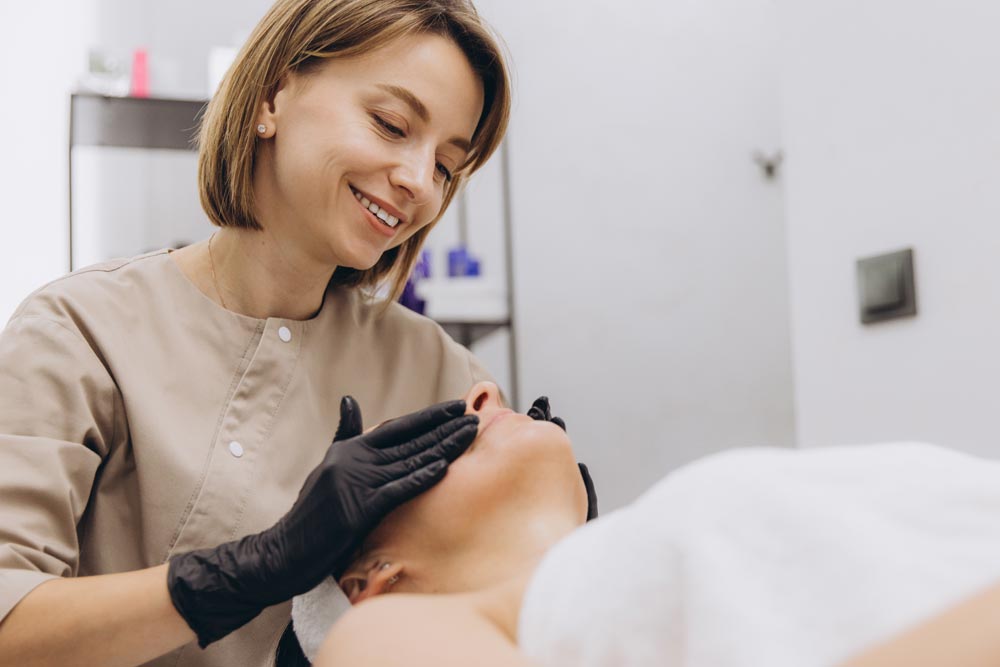
At‑home kits can often lack the most critical elements of a safe beauty service, including professional training, proper application techniques, and strict sanitation protocols. Licensed professionals spend hundreds of hours learning anatomy, skin science, product chemistry, and infection control. They are trained to spot contraindications, recognize early signs of irritation or allergic reactions, and modify treatments before minor concerns become serious issues.
An at-home kit cannot replace professional training, judgment, or oversight.
For spa and salon owners, this is an opportunity to educate clients about the risks associated with unlicensed or improperly performed treatments rather than criticizing them for following trends. Communicating the risks of DIY treatments reinforces the value of your expertise, your professional standards, and the safety of your environment.
Consider sharing the following safety and risk-management points with clients:
- Chemical burns and allergic reactions are common risks associated with DIY treatments. Without proper patch testing and product knowledge, clients risk causing long-term damage to their skin or hair.
- Sanitation is crucial. Tools used at home are rarely disinfected to professional standards, increasing the risk of infection.
- Incorrect technique can result in scarring, hair loss, or pigment damage. Licensed professionals are trained to prevent these outcomes and to correct them if they occur.
- At-home treatments typically do not include professional liability protection. In contrast, licensed professionals carry liability coverage designed to help protect both the business and the client when incidents occur.
This is also an opportunity to highlight your own risk-management practices. Share how your team stays certified, how you sanitize tools, how you select safe products, and how your insurance safeguards both your business and your clients. This type of transparency builds long-term trust and loyalty.
When clients understand the difference, they’re more likely to choose the experience, expertise, and peace of mind that only a trained professional can provide. Professional beauty services are not just about appearance. They are also about protecting client health, safety, and overall well-being, something no at-home kit can replicate.
Kathy Lopez, Account Manager for SASSI, the Salon and Spa Specialty Insurance program at Brownyard Group. She can be reached at klopez@brownyard.com.